Attractions
Historical Heritage – Forts and Castles
One of the most characteristic and significant historical sights in the Sultanate is its majestic forts.
These were built by Portuguese seafarers along the coast and also by Omani rulers (the Imams) in the interior.
The two Muscat forts, Mirani and Jalali, dominating old Muscat harbour look majestically powerful. They were constructed by the Portuguese in XVI century for the protection of the city’s harbour. Al Mirani Fort is now open to visitors. The fort houses a small museum with historical exhibits and offers beautiful panoramic views of Muscat and the Gulf of Oman. Jalali (the former prison) serves as a personal museum of the Sultan and is only open for V.I.P. visitors.
The impressive city fortress is the most important piece of architecture in Nizwa. This stronghold was constructed in XVII century. The main construction of the fortress is one large citadel. This is a huge tower of 27 meters in height and 50 meters in diameter. Many hiding places, secret passages and tunnels are located inside the fort. You can also see wells, which provided the defenders of the fortress and the inhabitants hiding from enemy attacks with water.
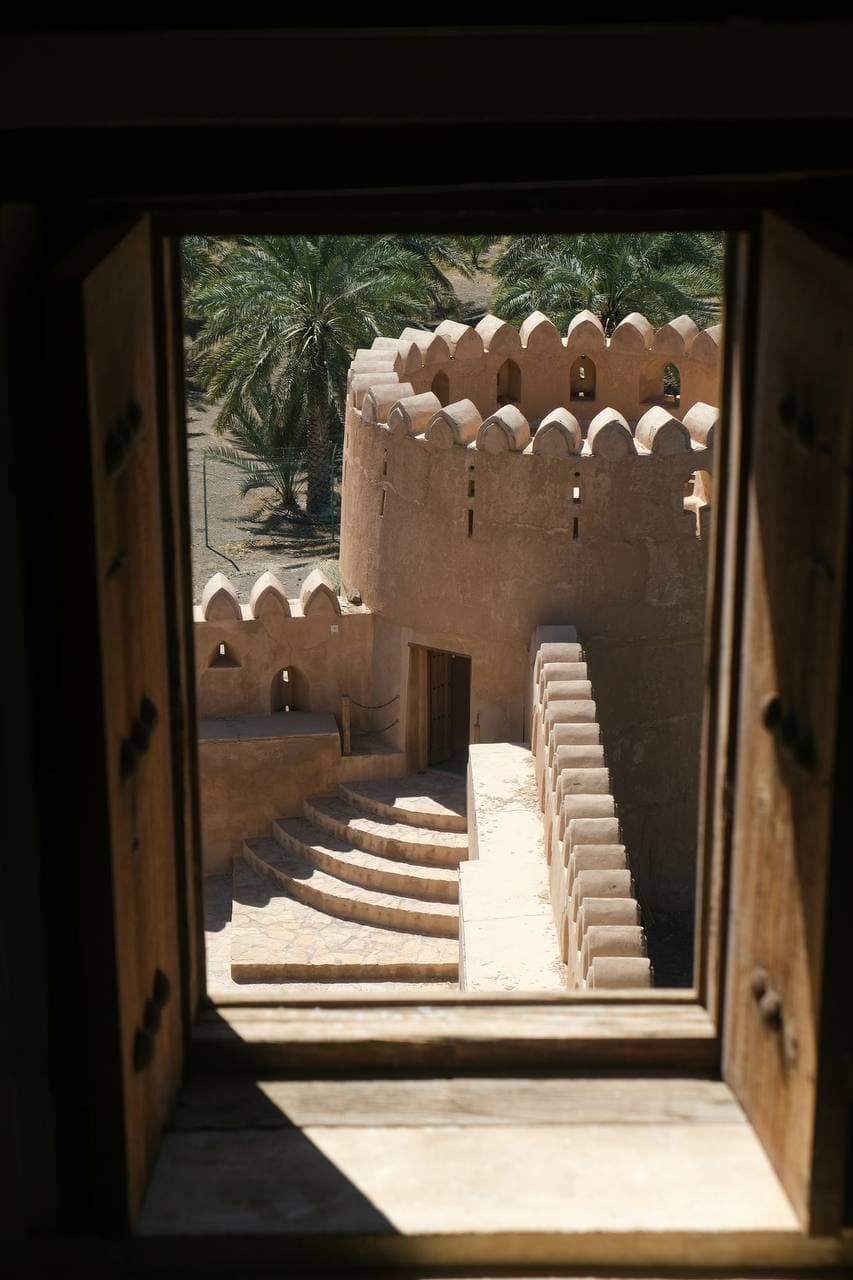
The “magic” Bahla is well known for its impressive fort which is under the protection of UNESCO. Nearby the city you can see the magnificent fort Jabrin, a classical example of an Omani palace. It was constructed by Sultans Bilarab bin Sultan from the Al-Ya’aruba dynasty, who supported science and art. In Jabrin it is possible to see painted ceilings made from the Malabar teak tree, graceful castellated parapets, its massive doors covered by masterly carved woodwork.
Also forts Rustaq, Nakhl, Taqa castle in Salalah and set of other fortifications of Oman are very well-known.
Stone’s Beauty and Greatness - Mountains, Caves, Wadis
Oman is considered the greenest country of the Arabian Peninsula and not without reason.
About fifteen percent of the territory of the Sultanate is occupied by mighty mountains, with natural view points opening fascinating natural landscapes and idyllic valleys.
One part of the Hajar Mountains on a ridge above the Batina (coastal) plain is called the Jebel Akhdar (Green Mountain). The highest peak of this mountain range is the Jebel Shams, which is the “Mountain of the Sun“, and it is 3000 meters in height. In many places gorges or wadis (dry river beds) dissect basalt rocks.
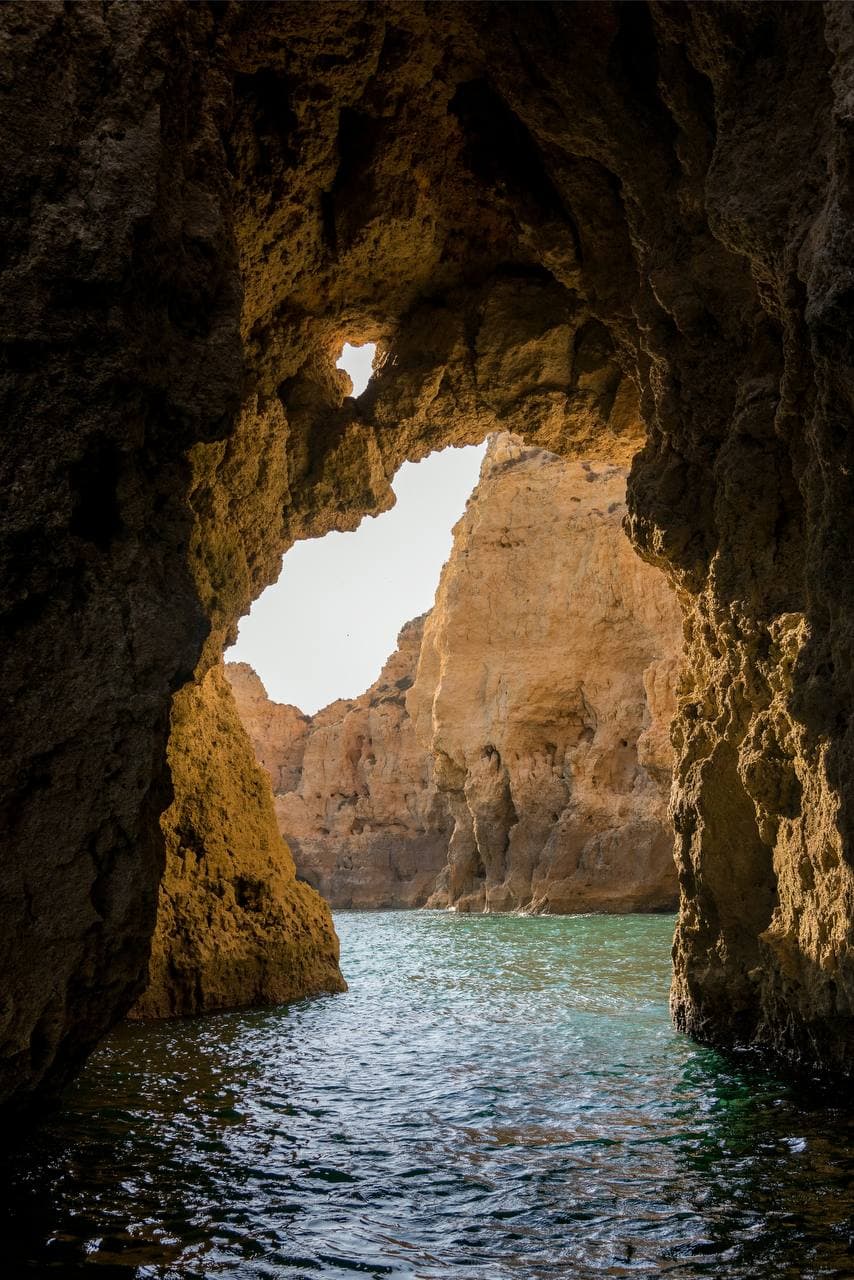
The Omani mountains are old and long influence of wind and water has led to significant erosion and formation of sets of caves in their bowels. The most significant and well-known of these caves called the Majlis Al Jinn, which is “the Place of Genies“. The Majlis Al Jinn is one of the biggest caves in the world and it is reachable only by skilled climbers. Recently a most interesting cave, Al Hoota, located at the bottom of Jebel-Shams was opened for visitors. It is considered to be one of the most ancient in the world. Besides the unreal beauty of stalactites and stalagmites, it is possible to see a small lake with blind fish, which have never seen daylight.
Fans of car rallying will enjoy a jeep-safari through deep wadis (wadi-bashing) overgrown with emerald palm trees. The mountains of Oman look like they were created for such out-door activity, which, besides wadi-bashing include bathing in small cool rock pools and mountain lakes and visiting small mountain villages surrounded by agricultural terraces.
Secrets of the Desert
Majestic desert takes up the greater part of the territory of Oman.
It’s about several hours driving from Muscat. To the West, bordering the United Arab Emirates, Saudi Arabia and Yemen, Oman possesses a piece of the Rub al- Khali or "Empty Quarter", which occupies almost 25 percent of the Arabian Peninsula.
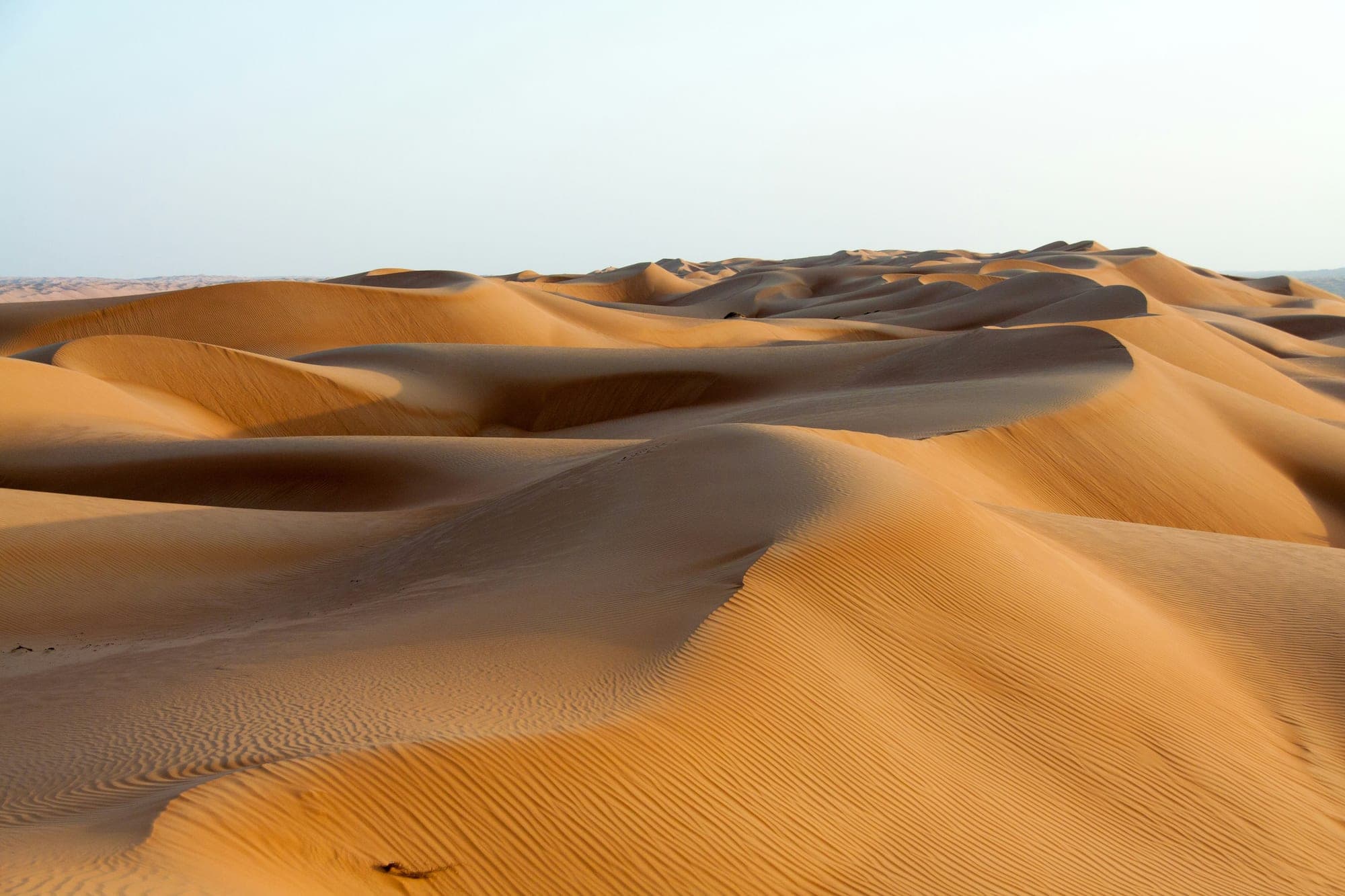
In the east, the Wahiba Sands is 180 kilometres in length. The huge dunes reach 100 meters in height. Dunes in the Omani desert are multi-coloured, depending on the age of the sand; their color varies from pure white to golden, red and sometimes dark-purple. Many Bedouin still live in these deserts; building reed huts on sand and erecting felt tents, which it is possible to see during jeep-safaris.
However, all these deserts have oases and after a trip in the Wahiba it is wonderful to relax in the cool water of one of these numerous oases. The best of these is Wadi Bani Khalid, this turquoise lake, bordered by date palms and thickets of oleanders, is located in a mountain gorge. There are some places here, in the shade, which are just perfect for a picnic. It is difficult to believe, that this whole apparition is not a mirage and that you are in the Arabian Desert, instead of on any tropical island.
The Nature of the Wild
Bird watching fans will find many opportunities in Oman for bird watching.
There are about 80 species of local birds in Oman and about 450 species of migrant birds.
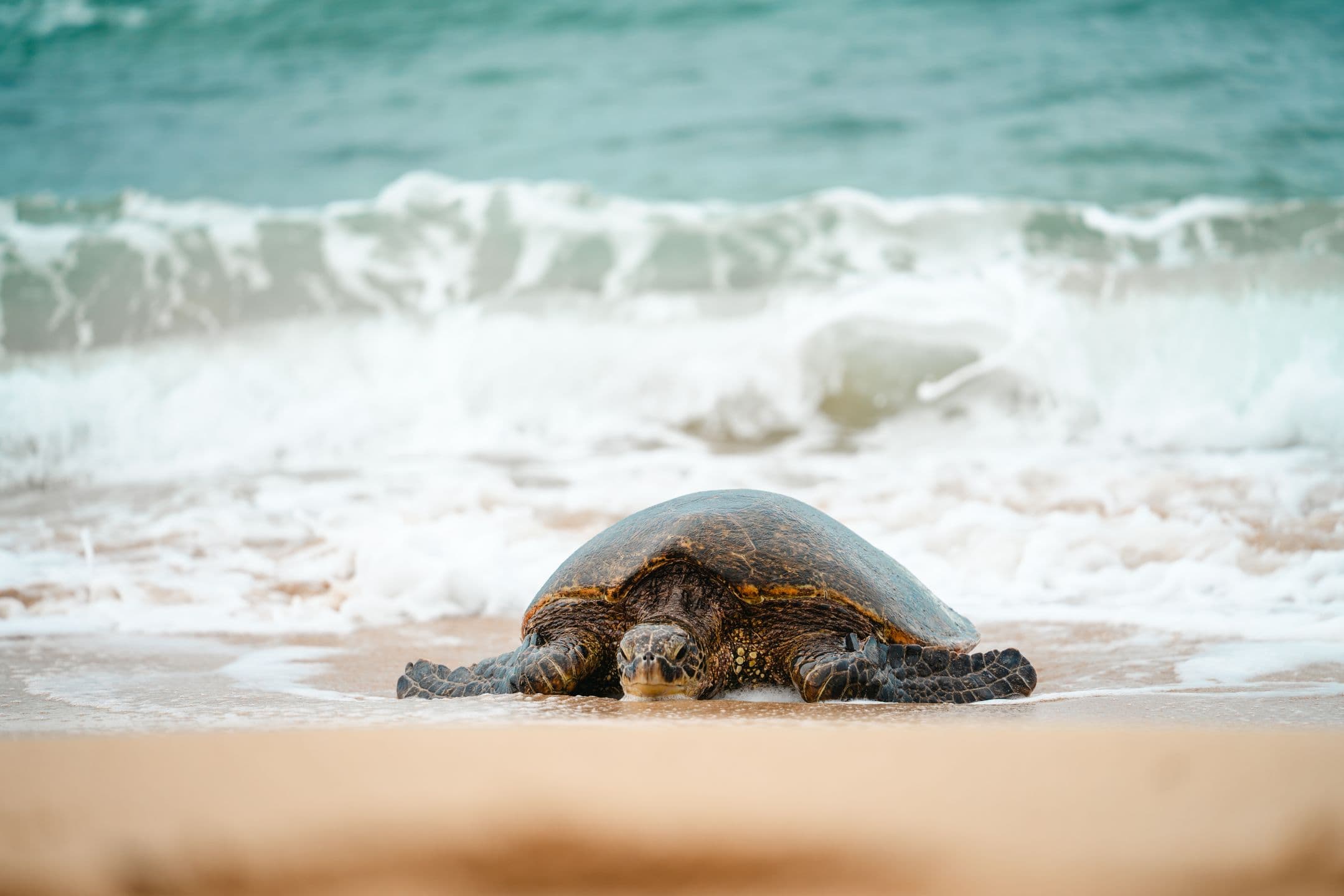
The 45-kilometers of coast between the capes of Ras al Hadd, the easternmost point of Arabia, and Ras al Ruwais is an area where thousands of green turtles come to lay their eggs. A significant part of the beach in this area is a reserve, and access to it is controlled. Turtles appear late at night. Like huge moving stones they creep out of the ocean leaving a deep furrow in the sand. With powerful forepaws they dig a wide hole and then inside the hole they dig a special cavity for their eggs. In two months the baby turtles will begin to emerge from their eggs and start their precarious life in the world.
Another especially interesting experience is the ‘Dawn with the Dolphins’ boat trip. The close up sighting of the dolphins and sometimes whales is outstanding. It is hard to believe that it is possible to observe these mammals so close by.
For wildlife enthusiasts, the Jiddat Al Harassis offers a life-time chance to encounter the Arabian Oryx and gazelles roaming in the wild in their original habitat marked by flatlands where simr trees and shrubs flourish. The experience leaves one enriched in the understanding and appreciation of nature's magnificence.
Activities
The Sultanate of Oman is a traditional Muslim state, therefore traditional local practice is to visit relatives and friends, walk on the beach and visiting the numerous restaurants and cafes for kahwa, the traditional Arabic coffee of the Region, or something more substantial.
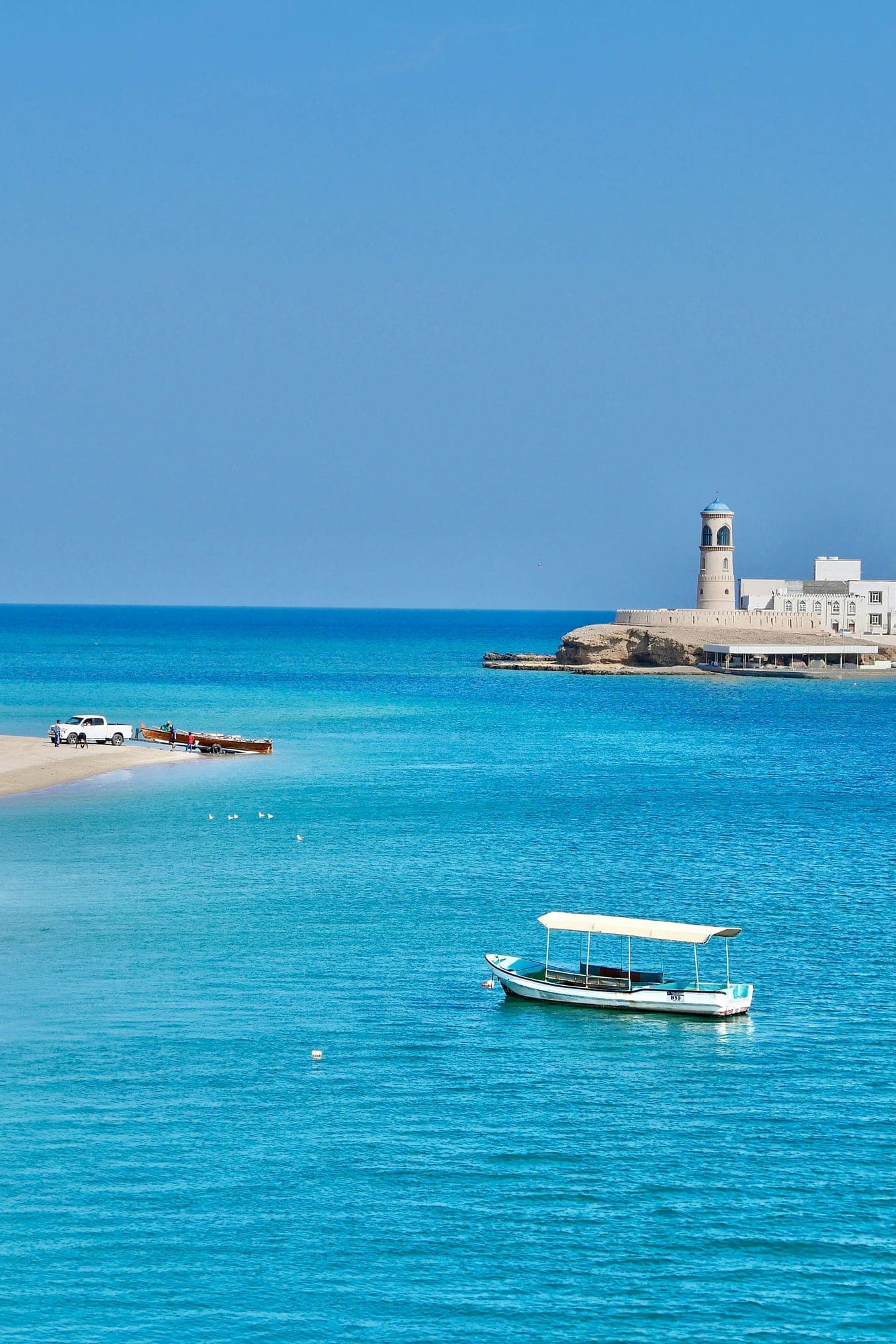
However, tourists who decided to do something other than lie on the beach will always find something to do. Besides wadi bashing, Oman is an excellent place for hiking, mountain climbing, game fishing, yachting and boating in the company of numerous dolphins. You can hire a yacht and to go along picturesque coastline of Muscat and the nearest bays.
Snorkelling and diving in clear blue water is very popular and for this purpose, there are many dedicated dive centres in Muscat, Salalah and Musandam, which run dive safaris during which you can see the many fabulous coral reefs occupied by a colourful array of underwater life (moray eels, sea turtles, rays, sharks, sea snakes and every variety of fish life.).